

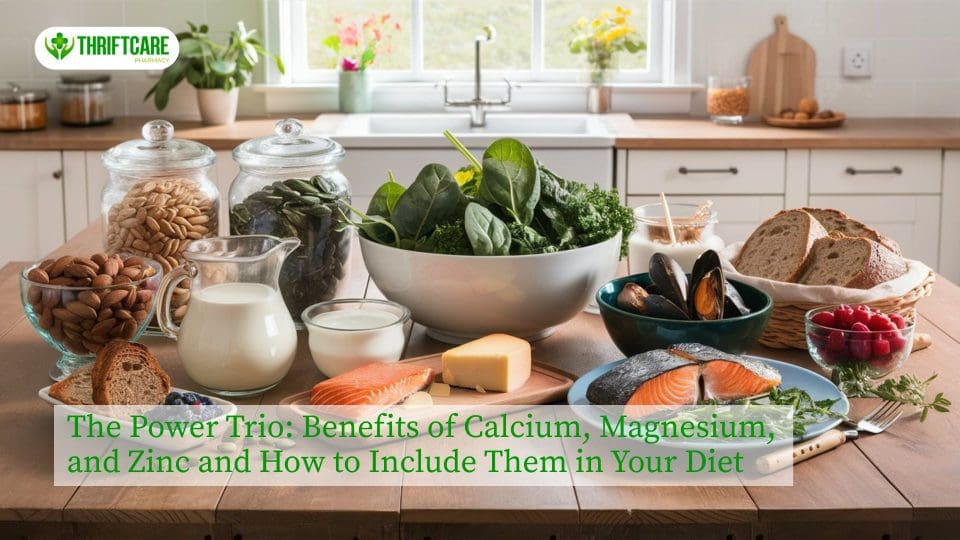
In today’s fast-paced world, maintaining good health often starts with what’s on your plate. A balanced diet isn’t just about calories — it’s also about ensuring you get essential minerals that keep your body running smoothly. Among these, calcium, magnesium, and zinc stand out as a powerful trio, supporting everything from bone health and muscle function to immunity and heart health.
At Thriftcare Pharmacy, we believe understanding the benefits of calcium, magnesium benefits, and zinc benefits helps you make smarter choices about your diet. In this comprehensive guide, we’ll explore what each mineral does, signs of deficiency, and practical ways to include them in your daily meals.
Why Minerals Matter: Building Blocks of Health
Minerals might seem like small parts of your overall diet, but they’re vital for life. Together, calcium, magnesium, and zinc help:
- Strengthen bones and teeth
- Regulate heart rhythms
- Support muscle relaxation and contraction
- Boost the immune system
- Maintain nerve health
A diet that lacks these minerals can silently impact your health over time.
Calcium Benefits: More Than Just Strong Bones
When most people think of calcium, they think of bones — and rightly so. About 99% of the body’s calcium is stored in bones and teeth, making it essential for bone health.
Other key calcium benefits include:
- Assisting in blood clotting
- Helping muscles contract properly
- Supporting nerve transmission
Calcium also plays a role in hormone release, making it even more important in your daily diet.
Magnesium Benefits: The Relaxation Mineral
Often called the “calming mineral,” magnesium plays a crucial role in over 300 biochemical reactions in the body. Many people don’t realize just how much this mineral affects their health.
Key magnesium benefits:
- Regulates muscle function and prevents cramps
- Supports heart health by maintaining steady heart rhythms
- Helps convert food into energy
- Reduces feelings of fatigue
- Supports bone density alongside calcium
Adding magnesium-rich foods to your diet can also help manage stress and improve sleep quality.
Zinc Benefits: The Immunity Hero
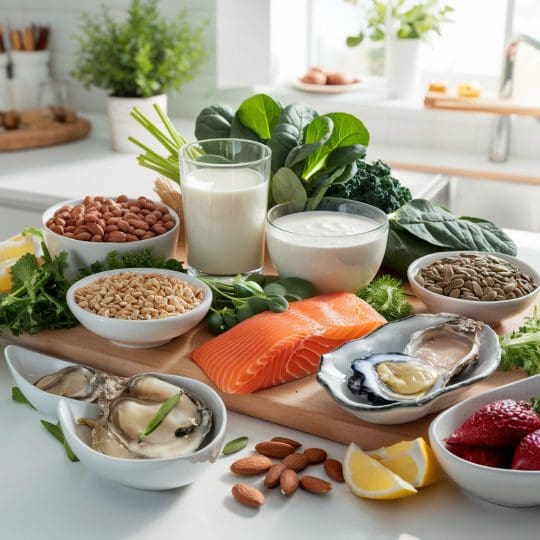
Zinc may be a trace mineral, but its effects are powerful. It’s best known for supporting the immune system, but its benefits don’t stop there.
Important zinc benefits:
- Helps wounds heal faster
- Supports taste and smell
- Maintains skin health
- Supports growth and development during childhood
- Plays a role in DNA synthesis
If your diet lacks zinc, it can lead to zinc deficiency, which may show up as frequent colds, slow healing, hair loss, or skin problems.
- Signs You Might Need More Calcium, Magnesium, or Zinc
Even a balanced diet sometimes falls short, especially during certain life stages or with specific health conditions.
Possible signs of low calcium:
- Brittle nails
- Muscle spasms
- Tooth decay
- Bone fractures
Possible signs of magnesium deficiency:
- Muscle cramps
- Fatigue
- Trouble sleeping
- Irregular heartbeats
Possible signs of zinc deficiency:
- Frequent infections
- Hair loss
- Skin rashes
- Loss of appetite or taste changes
If you experience these, it’s worth reviewing your diet and talking to a healthcare professional.
How to Include Calcium, Magnesium, and Zinc in Your Diet
Eating a balanced, mineral-rich diet doesn’t have to be complicated. Here’s how to build meals that cover all three:
1. Calcium-Rich Foods
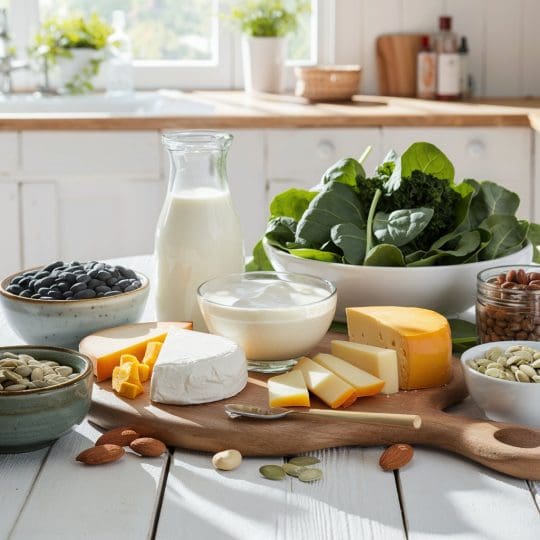
- Dairy products: milk, yogurt, cheese
- Fortified plant milks (almond, soy, oat)
- Leafy greens: kale, bok choy, collard greens
- Tofu made with calcium sulfate
- Sardines and canned salmon (with bones)
Tip: Pair calcium foods with vitamin D-rich foods or sunshine to help absorption.
2. Magnesium-Rich Foods
- Nuts and seeds: almonds, pumpkin seeds, sunflower seeds
- Whole grains: brown rice, oats, quinoa
- Dark leafy greens: spinach, Swiss chard
- Legumes: black beans, lentils
- Avocados and bananas
Adding a handful of nuts or seeds to your diet daily can quickly boost magnesium intake.
3. Zinc-Rich Foods
- Lean meats and poultry
- Shellfish: oysters, crab
- Beans and lentils
- Nuts and seeds
- Whole grains
For vegetarians, combining plant sources of zinc with vitamin C-rich foods (like bell peppers or citrus) helps improve absorption.
Minerals and Heart Health: What You Need to Know
A heart-healthy diet isn’t just about cutting out unhealthy fats — it’s also about adding minerals that help your heart function properly.
- Calcium keeps blood vessels flexible and supports healthy blood pressure.
- Magnesium helps regulate heart rhythms and supports blood vessel relaxation.
- Zinc protects heart tissue from oxidative stress.
Including all three in your heart healthy diet can help reduce risk factors over time.
- Daily Tips to Make Your Diet Mineral-Rich
- Start your morning with oatmeal topped with seeds and fruit.
- Add leafy greens to sandwiches, soups, and smoothies.
- Choose whole grains instead of refined ones.
- Snack on yogurt with nuts or fresh fruit.
- Include legumes in salads and stews.
- Rotate seafood, lean meats, and plant proteins for zinc.
Making small tweaks to your diet can add up to big health benefits.
How Much Do You Need?
Recommended daily amounts vary by age and gender. Here’s a quick guide for most adults:
| Mineral | Recommended Daily Intake |
| Calcium | ~1000–1200 mg |
| Magnesium | ~310–420 mg |
| Zinc | ~8–11 mg |
Talk to your doctor or pharmacist to see if your diet meets these needs, especially if you have dietary restrictions.
Supplements: Helpful or Not?
Food should always be the first source of nutrients. But sometimes, supplements help:
- People with lactose intolerance may need calcium supplements.
- Those with digestive issues may have trouble absorbing magnesium or zinc.
- Vegans may need extra zinc.
Before starting any supplement, consult your healthcare provider to ensure it’s right for your diet and health needs.
The Bottom Line: Balance Is Key
The benefits of calcium, magnesium benefits, and zinc benefits go beyond bones and immunity — they support energy, mood, and heart health too.
By building a varied, colorful diet full of whole foods, you can naturally get the minerals your body needs. Balance matters: too much of any mineral can be harmful, while too little can cause deficiencies.
How Thriftcare Pharmacy Can Help
At Thriftcare Pharmacy, we can:
- Help you review your diet for mineral gaps
- Recommend high-quality supplements if needed
- Offer personalized tips for a heart healthy diet
- Answer your questions about bone health, muscle function, and more
Your health journey starts with small steps — and we’re here to guide you.
Final Thoughts: Build a Stronger You with the Right Diet
A healthy diet isn’t just about what you avoid — it’s about what you include. Calcium, magnesium, and zinc together create a powerful foundation for bones, muscles, heart, and immunity.
By choosing a mineral-rich diet, staying active, and working with trusted professionals, you give your body the support it deserves — for today and the future.
Need help planning a mineral-rich diet?
Visit Thriftcare Pharmacy to explore supplements, get nutrition advice, and discover how to make your diet your strongest ally.